
Why Independent Makers Can't Just "Compete" With Amazon Anymore
For years, Amazon sold the same simple promise: lower prices, faster shipping, an endless catalog. Convenience became the whole pitch.
That sounds harmless enough, until you look closely at what makes that convenience possible. At a certain point, "convenience" isn't just a nice feature anymore. It becomes a system that quietly prices out anyone who isn't Amazon itself.
The Playbook Small Businesses Already Know
Anyone who has run a small brand on Etsy or a similar marketplace has seen some version of this story play out.
You spend months, sometimes years, figuring out what people actually want. You test the product, source better materials, refine the design, build a following, answer every customer email yourself, and absorb the cost of returns and shipping that no one ever sees.
Then the product starts to sell.
And then a cheaper, suspiciously familiar version shows up. Sometimes it's a private label knockoff, priced lower and ranked higher in search than the original. Suddenly you're not competing with another small brand. You're competing with the platform that's supposed to be hosting you.
Now Consent Isn't Even Part of the Equation
One of our own vendors, the independent home goods brand Banyan & Birch, recently discovered their products listed for sale on Amazon, without ever agreeing to it.
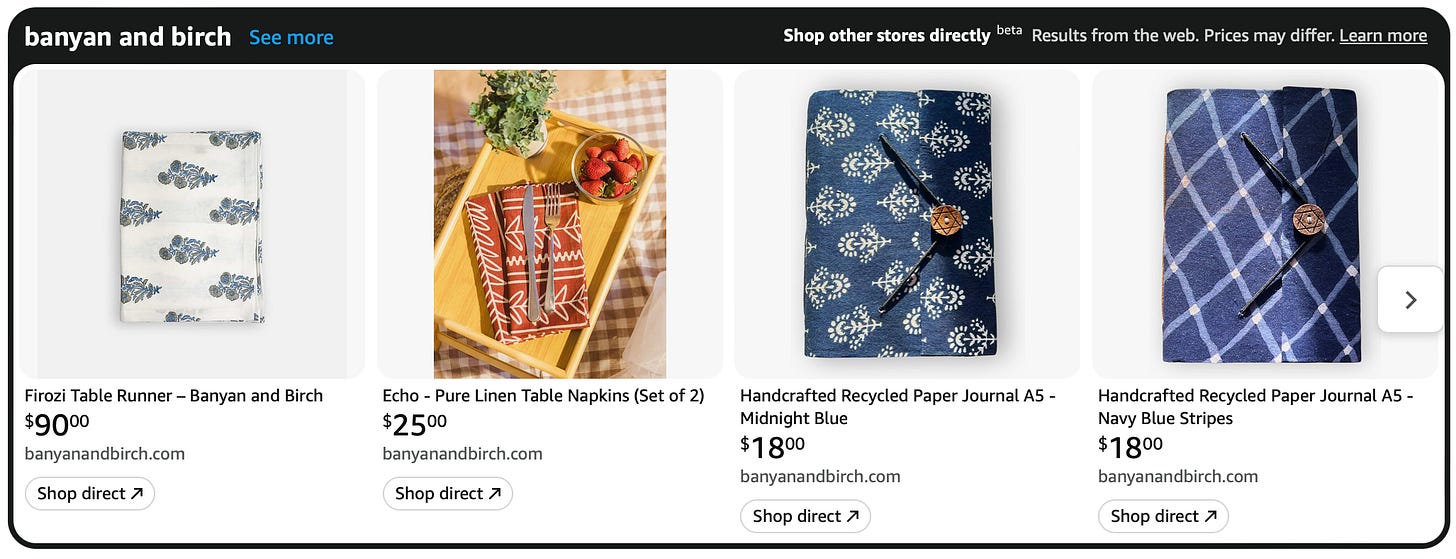
It used to be that a maker could simply opt out. "I won't sell on Amazon" was a real choice a business owner could make.
That choice is disappearing. Amazon has been experimenting with AI powered shopping tools that pull product details, pricing, and listings from across the web and surface them inside its own marketplace. It's often framed as "helpful discovery," as if the platform is doing smaller brands a favor by sending them traffic.
But brands like Banyan & Birch never asked to be scraped, listed, or folded into someone else's shopping assistant. Forbes reported on this practice recently, though it hasn't gotten nearly the attention a shift of this size deserves for a company this influential.
Even the Biggest Names Aren't Safe
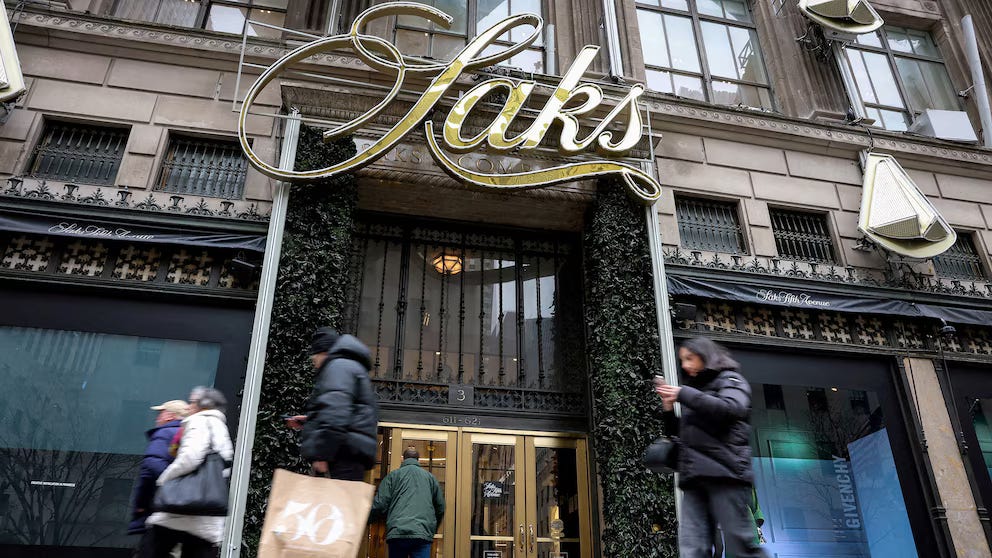
This isn't only a small business story anymore. Saks partnered with Amazon in a deal that was framed as forward thinking, a marriage of luxury retail and Amazon's logistics muscle.
Saks has since filed for bankruptcy. And Amazon, the partner in that deal, is now publicly disputing the value of its own stake as part of the bankruptcy proceedings.
The pattern tends to look the same regardless of a company's size: Amazon partners with a business, resets what customers expect around price and speed, waits until the economics stop working for everyone else, and then protects its own position. Saks isn't a special case. It's proof that even brands that assumed they were too big to be affected are finding out otherwise.
Amazon Doesn't Create. It Consolidates.
It's tempting to think Amazon wins because it simply builds better products for less. That's not really what's happening.
Amazon wins because it controls the lane: search visibility, shipping expectations, pricing norms. It watches what sells, replicates it faster than anyone else could, and uses its own platform to push that replica above the original.
That model rewards speed and scale, not creativity. And the people who lose out are the ones doing the actual work of designing, testing, and building something new: independent makers and small retailers.
A Word on Monopolies
When a single company controls where people shop, how products get discovered, what advertising has to look like to be seen, and how fast delivery is expected to be, that's no longer a normal marketplace. That's a dependency.
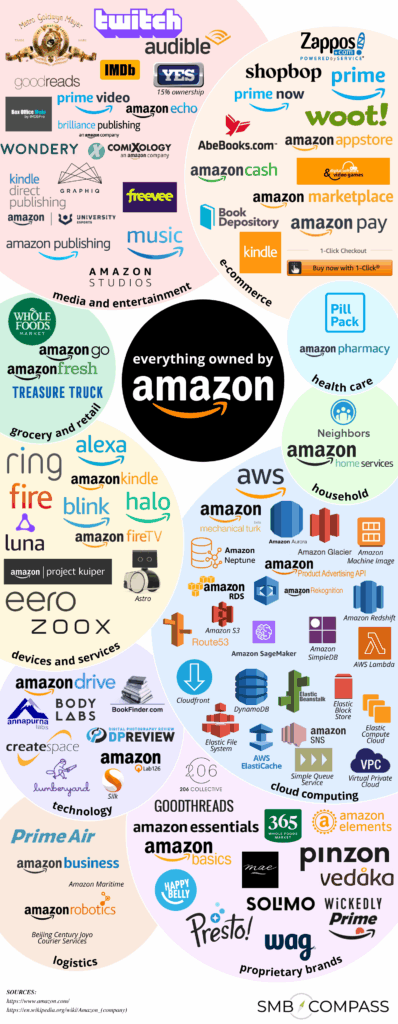
Add in the sheer number of brands Amazon owns across food, media, and retail, plus a growing AI layer that pulls in product data from across the internet, and it starts to feel like there's no real way to opt out. Like the entire internet is slowly becoming raw material for Amazon's own supply chain.
Why We Choose Differently
None of this is about pretending convenience doesn't matter. It's about recognizing what's actually being traded away for it.
Every purchase from an independent, American-made brand is a small vote for a different kind of retail. One that rewards the people building original products, hiring real employees, paying local taxes, and creating things that aren't just disposable copies of someone else's idea.
If the cheapest replica keeps winning, we shouldn't be surprised when replicas are all that's left.
That's exactly why Aware House exists: to make it easier to find and support the makers doing the real work, so that choosing differently doesn't have to be complicated.


